Natural Herbal Teas and Wellness: Why America and Europe Are Rediscovering Ancient Tea Rituals

Discover the science behind herbal tea culture and why millions are turning to natural wellness solutions

For centuries, people across Europe and America have turned to herbal teas as part of daily wellness routines. In the UK, chamomile tea before bed is almost a tradition. In Germany, fennel and peppermint tea are commonly used after meals. In the United States, green tea and wellness tea blends became popular as people searched for gentler, plant-based ways to support digestion, energy, and healthy habits.

Today, wellness tea culture is bigger than ever.

Search trends show growing interest in phrases like "natural wellness tea," "best tea for bloating," "herbal tea for digestion," and "daily wellness tea." Many people are trying to reduce processed foods, sugary drinks, and artificial supplements. Instead, they are looking for simple routines that fit into real life.

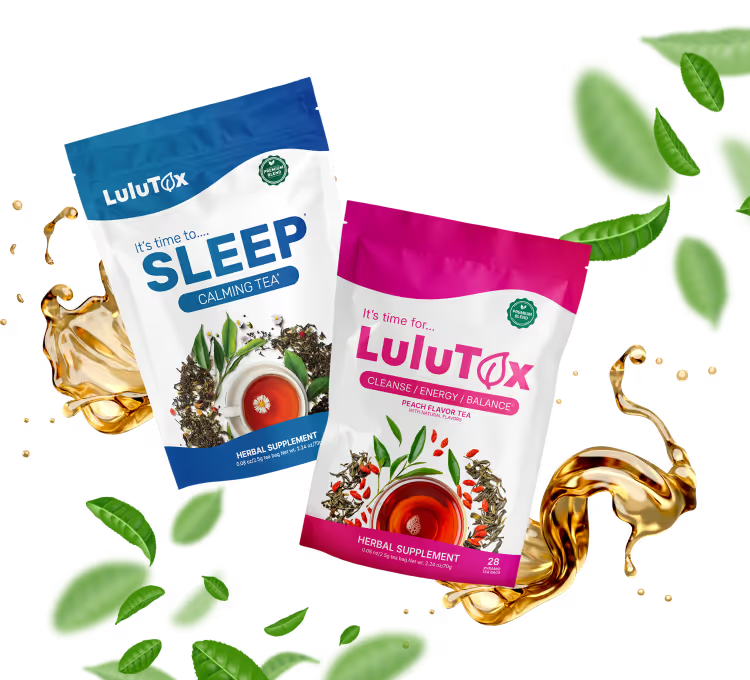
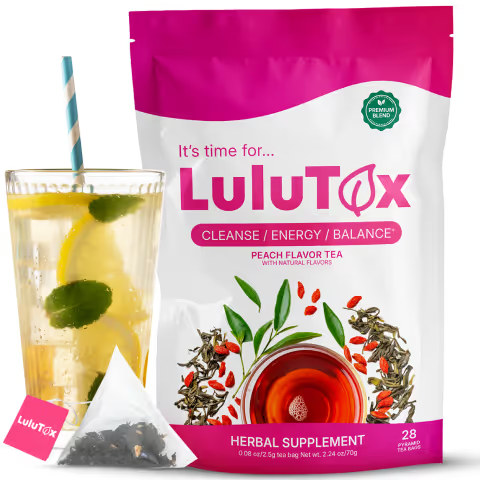
One product that has gained attention in the UK and international wellness market is Lulutox Tea, a peach-flavored herbal tea blend made with multiple plant-based ingredients traditionally associated with digestive comfort and daily wellness support.

But do herbal teas actually help?

Let's explore what science says.


Why Herbal Tea Became a Wellness Staple in Europe and America

Modern lifestyles are fast. People eat quickly, sit for long hours, sleep less, and often consume too much sugar and caffeine. This can leave many feeling bloated, sluggish, tired, or mentally drained.

That's one reason herbal tea rituals became popular again.

Unlike harsh "quick-fix" products, many wellness teas focus on hydration, digestion support, mindful routines, and plant compounds naturally found in herbs.

Researchers have studied tea ingredients for years. Several studies suggest that certain herbs and tea compounds may help support:

  • Healthy digestion
  • Antioxidant activity
  • Hydration
  • Gut comfort
  • Relaxation
  • Energy balance
  • Reduced feelings of bloating

Importantly, scientists also emphasize that teas are not miracle cures. Healthy habits still matter most.


What Science Says About Popular Herbal Tea Ingredients

Green Tea and Matcha

Green tea is one of the most researched tea ingredients in the world. It contains catechins and antioxidants, especially EGCG (epigallocatechin gallate), which researchers have studied for metabolism and cellular health.

A review published in the journal Molecules explained that green tea polyphenols may help support metabolic health and antioxidant defenses.

Matcha, a concentrated powdered green tea traditionally used in Japan, contains similar compounds along with naturally occurring caffeine and L-theanine. Many people report feeling "calm but alert" after drinking matcha instead of coffee.

Dandelion Leaf

Dandelion has been used in European herbal traditions for generations. It is commonly associated with digestive wellness and fluid balance.

Research published in the Journal of Alternative and Complementary Medicine found that dandelion extract showed activity in participants, which may explain why some people feel less bloated after consuming dandelion-based teas.

That does not mean it "melts fat." Instead, it may help reduce temporary water retention.

Ginger

Ginger is one of the most respected herbs in both Eastern and Western wellness traditions. Scientific reviews suggest ginger may support digestion and help reduce nausea and stomach discomfort.

A review in Food Science & Nutrition noted ginger's long history in digestive support and its anti-inflammatory compounds. This is one reason ginger tea is commonly consumed after meals across Europe and North America.

Peppermint

Peppermint tea is extremely popular in the UK and Germany. Studies suggest peppermint may help relax digestive muscles and support gastrointestinal comfort. That is why many people drink peppermint tea after large meals.

Goji Berries

Goji berries have been used in traditional wellness practices for centuries. They contain antioxidants and naturally occurring nutrients. Research suggests antioxidant-rich foods may help support healthy cellular function and overall wellness.

Ginseng

Ginseng has been widely studied for energy and vitality support. Some research suggests it may help with mental performance and feelings of fatigue, although results vary between studies. Many herbal tea companies include ginseng as part of "daily vitality" blends.


The Rise of Wellness Tea Culture

The word "wellness" became extremely popular in wellness marketing over the last decade. But scientifically speaking, the body already has natural wellness systems:

  • Liver
  • Kidneys
  • Digestive system
  • Skin
  • Lungs

No tea can magically "clean" the body overnight. However, wellness teas may still help people feel better because they can support hydration, digestive comfort, and healthier daily habits.

For example:

  • Drinking tea instead of sugary soda lowers sugar intake
  • Warm herbal drinks may encourage relaxation
  • Some herbs may help with bloating or digestion
  • Tea rituals often improve mindfulness and consistency

That's why many nutrition experts recommend viewing herbal teas as supportive wellness habits rather than miracle solutions.


A Closer Look at Lulutox Tea

What Is Lulutox?

According to the official website, Lulutox is a peach-flavored herbal tea blend made with multiple plant-based ingredients traditionally used in wellness routines. The brand positions the tea as part of a healthy lifestyle routine focused on:

  • Digestive wellness
  • Reduced bloating
  • Daily balance
  • Energy support
  • Wellness rituals

The company also highlights that the formula is designed for daily use rather than aggressive cleansing programs.


Lulutox Ingredients Analysis

Based on the official website and public product listings, Lulutox includes ingredients such as:

  • Matcha green tea
  • Dandelion leaf
  • Goji berries
  • Ginseng
  • Ginger
  • Lemongrass
  • Nettle leaf
  • Milk thistle
  • Guarana
  • Stevia leaf

Let's break down what each ingredient is commonly associated with.

Matcha Green Tea

Often used for:

  • Natural energy
  • Antioxidant intake
  • Mental focus

Contains caffeine, but many users describe the effect as smoother than coffee.

Dandelion Leaf

Often used for:

  • Water balance
  • Digestive support
  • Herbal wellness routines

Commonly included in teas marketed for bloating support.

Ginger

Often used for:

  • Digestion
  • Stomach comfort
  • Warm, soothing flavor

Guarana

Naturally contains caffeine. Often associated with:

  • Energy
  • Alertness
  • Focus

People sensitive to caffeine should monitor intake carefully.

Milk Thistle

Traditionally associated with wellness support. Contains silymarin, a plant compound studied for antioxidant properties.

Lemongrass

Commonly used for:

  • Refreshing flavor
  • Relaxation
  • Digestive comfort

Nettle Leaf

Rich in plant nutrients and traditionally used in European herbal medicine.


How to Use Lulutox Tea

According to product directions, the tea is generally prepared like standard herbal tea:

  1. Boil water
  2. Add one tea bag
  3. Steep for several minutes
  4. Drink warm or cold

Most wellness tea users consume 1–2 cups daily, often in the morning or after meals. For best results, brands usually recommend combining tea with:

  • Balanced eating habits
  • Hydration
  • Physical activity
  • Sleep consistency

What Customers Commonly Say

Online customer feedback often mentions experiences such as:

  • Feeling less bloated
  • Enjoying the peach flavor
  • Replacing sugary drinks
  • Better daily hydration habits
  • Feeling "lighter"
  • Improved routine consistency

Some reviewers also mention increased energy, likely connected to caffeine-containing ingredients like matcha and guarana. However, customer experiences vary. Not everyone experiences the same results, and wellness products should never replace professional medical care.

That's why it is smart to:

  • Read ingredient labels carefully
  • Buy only from official sources
  • Keep realistic expectations

Frequently Asked Questions

Does wellness tea burn fat?

No tea can magically burn body fat on its own. Healthy weight management still depends mainly on nutrition, activity, sleep, and consistency. Some tea ingredients may support energy, hydration, or digestion, which can complement healthy habits.

Can herbal tea reduce bloating?

Some herbs traditionally associated with digestive comfort — like peppermint, ginger, and dandelion — may help some people feel less bloated. Results vary by individual.

Is Lulutox a laxative tea?

Public product descriptions state the formula is "laxative-free."

Does Lulutox contain caffeine?

Some ingredients like matcha and guarana naturally contain caffeine. People sensitive to caffeine should start slowly.

How long does it take to notice effects?

Experiences vary. Some users report changes in bloating or energy within days, while others notice little difference. Herbal products are generally intended for gradual, consistent use.

Is wellness tea safe?

Many herbal teas are widely consumed, but safety depends on individual health conditions, allergies, medications, and caffeine sensitivity. Pregnant or breastfeeding individuals and people with medical conditions should consult healthcare professionals before using herbal supplements.


Final Thoughts

Herbal tea culture continues to grow across the United States and Europe because people are looking for simple, comforting wellness routines that fit into everyday life.

Science does support some benefits associated with ingredients commonly found in herbal teas:

  • Antioxidants
  • Digestive support
  • Hydration
  • Relaxation
  • Gentle energy support

At the same time, responsible wellness means avoiding unrealistic promises. No tea can replace medical treatment, healthy eating, exercise, sleep, or stress management.

Products like Lulutox Tea appear to fit into the modern "daily wellness ritual" category rather than extreme programs. Its blend of matcha, dandelion, ginger, peppermint, and other botanicals reflects many ingredients traditionally used in European and American herbal tea culture.

For people who enjoy herbal tea and want a flavorful wellness routine, it may be an interesting option — especially when combined with healthy lifestyle habits and realistic expectations.